Glucagon-like peptide-1 (GLP-1) is a naturally occurring hormone in the human body that plays a critical role in regulating appetite, digestion, and blood sugar. It is primarily secreted by specialized cells, known as L-cells, that line the gastrointestinal tract (especially in the lower small intestine and colon), as well as by certain cells in the brain.
When you consume a meal, particularly one rich in carbohydrates and fats, your body releases GLP-1 to perform several vital functions:
- It suppresses appetite: GLP-1 targets the parts of the brain responsible for hunger and cravings, signaling satiety so that you feel full and stop eating.
- It slows digestion: It delays the rate at which food empties from your stomach, which helps keep you feeling fuller for longer periods.
- It regulates blood sugar: GLP-1 helps modulate glucose-dependent insulin secretion from the beta-cells in your pancreas, making it essential for metabolic health.
GLP-1 acts as a natural feedback loop known as the “ileal brake”. When food reaches the lower part of the small intestine (the ileum), the L-cells are activated and release GLP-1 to put the brakes on your hunger.
Natural GLP-1 is broken down and cleared from the human bloodstream within minutes. To harness the hormone’s powerful appetite-suppressing effects, scientists developed GLP-1 agonists (such as Ozempic and Wegovy). These drugs are synthesized to mimic natural GLP-1 but resist rapid breakdown, remaining in the body for hours or even a full week. By keeping GLP-1 levels artificially high, the drugs trick the brain into thinking the body is constantly eating, drastically dialing down the hunger drive and causing significant weight loss.
How to Naturally Boost GLP-1
You do not necessarily need expensive drugs to experience the benefits of GLP-1. You can naturally stimulate the release of your own GLP-1 through specific dietary and lifestyle habits:
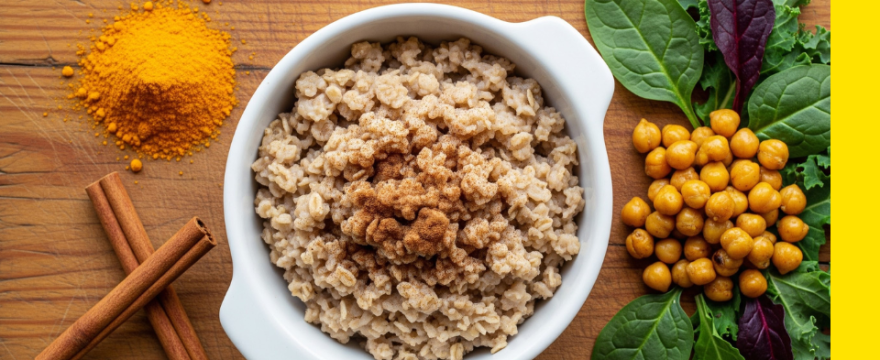
- Eat High-Fiber, Intact Plant Foods: Because the standard Western diet is easily absorbed early in the digestive tract, it rarely reaches the lower intestines to trigger the GLP-1 “ileal brake”. Eating whole, intact plant foods with their cellular walls intact (like beans, steel-cut oats, and intact grains) ensures that calories and fiber make it down to your colon. There, your gut bacteria ferment the fiber into short-chain fatty acids (like acetate, propionate, and butyrate) that powerfully stimulate GLP-1 release.
- Consume Thylakoids: Dark green leafy vegetables, like spinach and kale, contain thylakoids (the membranes where photosynthesis occurs). Thylakoids act as natural fat blockers that delay the digestion of fats, pulling them further down the digestive tract to trigger a prolonged release of GLP-1 and cut cravings for junk food.
- Add Spices and Bitter Foods: Certain spices, most notably cinnamon, turmeric (curcumin), and cayenne pepper, have been clinically shown to significantly boost GLP-1 levels in the blood. Bitter herbs and compounds, such as quinine (found in tonic water) or hops, also stimulate GLP-1 secretion because the gut contains bitter taste receptors specifically linked to GLP-1 release.
- Chew More and Eat Slower: The physical act of how you eat also matters. Studies show that chewing food more thoroughly (e.g., 40 chews per bite) and eating at a slower pace significantly increases GLP-1 levels and leads to feeling more satiated.
Leave a Reply