For some women over 40 with no family support and financial burdens, the heavy, exhausting cloud of depression may be a familiar struggle. Women ages 40 to 59 have the highest rate of depression (12.3 percent) of any group based on age and gender in the U.S., according to the report from the Centers for Disease Control and Prevention. For many, this isn’t just about feeling low; it is accompanied by a severe lack of focus, plummeting motivation, and the frustrating sensation of brain fog. When standard antidepressants, which can take up to eight weeks to work, fail to bring relief, the search for answers can feel hopeless.
Enter ketamine. Once known primarily as an anesthetic (and controversially as a recreational drug), ketamine is now making headlines as a rapid-acting intervention for treatment-resistant depression. But is it the magic bullet for the depression and cognitive fog that plagues so many women in midlife? Here is a breakdown of the science, the patient experience, the costs, and the risks you need to know.
The Science: Clearing the Fog by Rewiring the Brain
Traditional antidepressants target specific neurotransmitters like serotonin, but ketamine works entirely differently. In patients with depression, the number and strength of the interconnections (synapses) between nerve cells in the brain actually decrease.
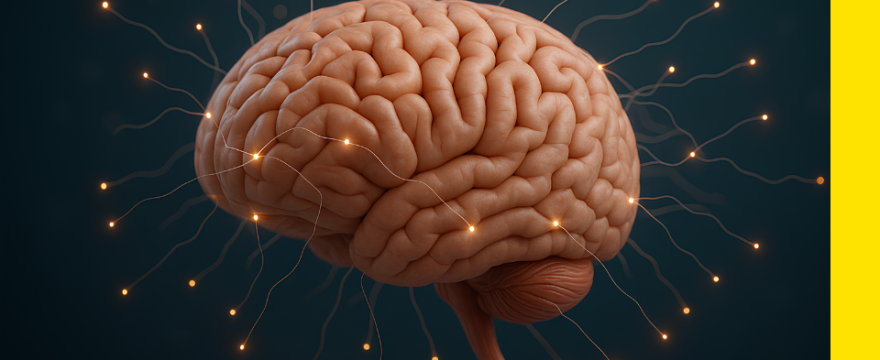
Ketamine targets a different system in the brain, triggering resilience mechanisms that help to rapidly regrow these lost connections. This ability to promote neuroplasticity, the brain’s ability to adapt and change, can happen with astonishing speed. While standard treatments take weeks or months, the anti-depressive effects of a ketamine infusion can sometimes be felt within a single hour.
For women experiencing the mental sluggishness associated with depression, this rapid regrowth of synapses may feel like the brain fog is finally lifting. Patients report that the treatment leads to an initial dissociative experience or “high,” followed by a lifting of mood, the removal of suicidal ideation, and a surge in motivation, socialization, and physical activity.
The Two Forms: IV Ketamine vs. Spravato (Esketamine)
If you are considering ketamine therapy, there are two primary routes to explore, each with distinct pros and cons regarding efficacy and cost:
- Intravenous (IV) Ketamine: This is an off-label treatment administered via a tiny needle in a vein. A recent study comparing the two forms found that IV ketamine is associated with faster responses and greater overall efficacy, achieving a 49.22% reduction in depression severity. However, because it is not FDA-approved for psychiatric use, it is rarely covered by insurance. Patients typically pay between $400 and $800 per infusion out-of-pocket.
- Spravato (Intranasal Esketamine): This is an FDA-approved nasal spray derived from ketamine, specifically indicated for treatment-resistant depression. While slightly less effective than IV ketamine (yielding a 39.55% reduction in depression scores), it is covered by most major commercial health insurance plans and Medicare Part B. With copay assistance programs, commercially insured patients often pay between $10 and $125 per session.
A Crucial Reality Check: Memory Loss and Cognitive Risks
While ketamine’s ability to boost neuroplasticity sounds like a perfect cure for memory loss and brain fog, it is vital to understand its limitations and risks.
Ketamine is not a cure for age-related memory loss. In fact, medical ethicists and psychiatric researchers warn that the long-term safety of ketamine remains uncertain. Among the primary concerns regarding long-term, chronic ketamine use is the potential for cognitive impairment, alongside risks of urinary toxicity and drug dependence. The profound relief ketamine provides is often transient, typically lasting around 3 to 6 days after an initial infusion, meaning patients require repeated, ongoing treatments to maintain the benefits.
What to Expect at the Clinic
Ketamine therapy is not a take-home pill; it must be administered under strict medical supervision. During an IV infusion, you will be monitored for pulse, oxygen levels, and blood pressure. Patients often feel disconnected from the world during the treatment, and some may experience nausea, which can be managed with medication. After the session, you will need 30 to 45 minutes to recover, and you must have someone else drive you home.
The Holistic Approach to Midlife Mental Health
Experts stress that ketamine should not be viewed as a standalone cure. Instead, the rapid relief it provides creates a therapeutic window, a period where the brain is highly adaptable, making patients much more receptive to psychotherapy. Integrating cognitive behavioral therapy helps patients develop new coping strategies to prevent relapse once the medication’s effects wane.
As women navigate mental health after 40, lifestyle factors remain a foundational piece of the puzzle. For example, longitudinal studies focusing on mid-age women have shown that simply consuming two or more pieces of fruit per day is associated with a significantly reduced risk of developing depressive symptoms.
Ketamine is a powerful, potentially life-transforming tool for women battling severe, treatment-resistant depression and the cognitive sluggishness that comes with it. However, it requires careful medical supervision, a commitment to concurrent psychotherapy, and a clear understanding that it is a treatment to manage symptoms, not a cure for memory loss. If you feel stuck in the fog, consult with a psychiatrist to see if this innovative therapy belongs in your mental health toolkit.
As stated above, depression is associated with a loss of synaptic connections. This structural decline is largely driven by a reduction in a crucial regulatory protein called Brain-Derived Neurotrophic Factor (BDNF). BDNF acts essentially as fertilizer for the brain, it stimulates the growth of new neurons, aids in synaptic plasticity, and helps brain cells connect to one another.
While medications like ketamine can rapidly trigger these neuroplastic processes, there are several highly effective, non-pharmacological ways to naturally boost BDNF, strengthen your synapses, and rewire your brain:
- Physical Exercise
Physical activity is one of the most powerful, direct ways to grow new synapses. Engaging in regular exercise increases blood flow to the brain and actively stimulates the release of BDNF, which directly helps brain cells form new connections with one another. Furthermore, exercise acts as a buffer against stress and reduces depressive symptoms, making your brain more resilient.
- Feed Your Gut to Fuel Your Brain
Your gut health plays a massive role in your brain’s ability to maintain neuroplasticity. When you eat a diverse, plant-based diet high in fiber, your gut bacteria ferment that fiber into short-chain fatty acids, such as butyrate. These fatty acids actively contribute to the upregulation of BDNF, supporting healthy neuronal development and synaptic plasticity.
- Consume Brain-Boosting Plant Compounds
Certain natural compounds and phytonutrients have been shown to directly support neuroplasticity by reducing brain inflammation and boosting BDNF:
- Polyphenols and Antioxidants: Eating whole foods rich in polyphenols (like berries, dark leafy greens, and citrus) reduces brain inflammation and protects the brain’s plasticity.
- Specific Spices and Teas: Bioactive compounds like EGCG (found in green tea) and curcumin (the active compound in turmeric) have evidence supporting their ability to positively impact BDNF levels and improve the symptoms of mood disorders.
- Optimize Your Metabolic Health
Your brain relies heavily on a steady supply of energy to build and maintain synapses. When people develop metabolic issues like insulin resistance, these effects extend to the central nervous system; this “brain insulin resistance” directly compromises synaptic plasticity and inhibits BDNF production. By avoiding highly processed, sugary foods and maintaining stable blood sugar, you protect your brain’s structural integrity.
- Psychological Therapy and Intentional Learning
Neuroplasticity can also be driven from the top down. Studies show that psychological interventions (such as talk therapy) can actually restore the reduced amounts of BDNF in people with depression. Actively practicing new skills or forcing yourself to build new habits leverages self-directed adaptive plasticity. Because your brain learns by practicing, every time you deliberately engage in a new, positive behavior, your brain physically wires and strengthens new synaptic pathways to support that behavior over time.
If you or someone you know is struggling with thoughts of suicide, help is available anytime. Call or text 988 to reach the 988 Suicide & Crisis Lifeline, free, confidential, and available 24/7.
Outside the US, visit findahelpline.com to find support in your country.
Leave a Reply