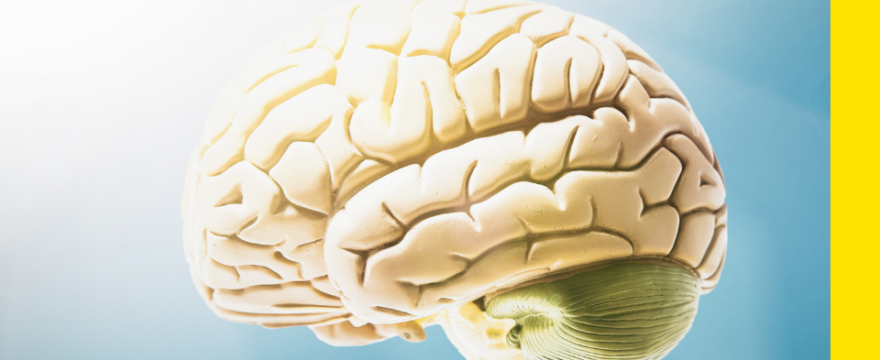
The amygdala consists of two almond-shaped clusters of nuclei located deep within the brain’s temporal lobe. As a central part of the limbic system, it acts as the brain’s primary alarm system, constantly scanning for threats, managing emotional responses, and processing memories associated with fear.
When you encounter a stressful or uncertain situation, the amygdala signals the hypothalamus to initiate the “fight or flight” response. This process activates the hypothalamic-pituitary-adrenal (HPA) axis, releasing stress hormones like cortisol and adrenaline. These chemicals cause immediate physical changes, such as an increased heart rate, shallow breathing, and a spike in blood glucose, designed to provide the energy needed to survive a perceived danger.
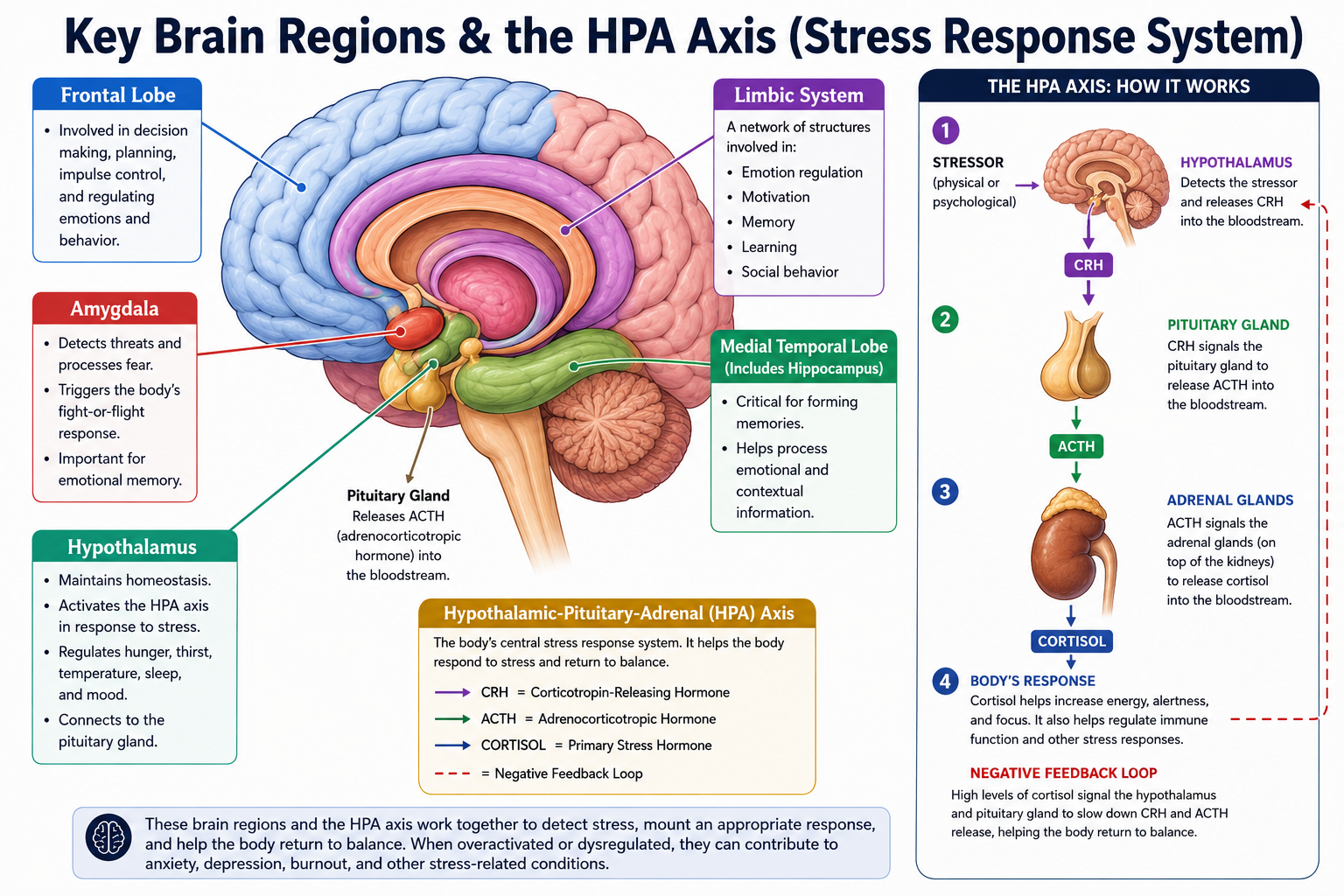
The amygdala is also a key player in the gut-brain connection. When it detects a threat, it uses the vagus nerve to signal the gastrointestinal tract. This can increase stomach acidity and disrupt the balance of the gut microbiome, demonstrating how psychological stress impacts physical digestive health.
Although this system evolved to protect us from physical predators, modern stressors can cause the amygdala to overreact to non-threatening events. If the amygdala becomes hypersensitive, it may trigger a panic response to minor stimuli, effectively overriding the logical and rational decision-making centers of the prefrontal cortex.
- Anxiety and PTSD: Chronic overactivity in the amygdala is strongly linked to anxiety disorders and post-traumatic stress disorder (PTSD). Constant exposure to stress hormones causes the amygdala to remain in a state of hypervigilance, leading to a cycle of persistent worry and intrusive thoughts.
- Major Depression: Imaging studies show that individuals with depression often have increased connectivity and activity in the amygdala. This contributes to emotional dysregulation and irritability. Research also suggests that adolescents with depression may have a smaller amygdala volume compared to their peers.
How to Calm and Rewire the Amygdala
Fortunately, the brain is “plastic,” meaning it can be rewired. You can use specific practices to soothe the amygdala and reduce its sensitivity to stress.
Mindfulness meditation and prayer help quiet the amygdala. By reducing this activity, these practices slow down the fight-or-flight response, lowering cortisol levels and inflammation. Scans show that these activities improve emotional regulation and promote a sense of internal peace.
Because of neuroplasticity, consistent practice can physically change the brain. Studies indicate that just eight weeks of mindfulness meditation can lead to a measurable decrease in the gray matter of the amygdala. This effectively shrinks the brain’s fear center, making you more resilient to stress.
For treatment-resistant depression, newer therapies like Transcranial Magnetic Stimulation (TMS) use magnetic fields to improve amygdala function. Medications like Ketamine promote the rapid growth of new neural connections, while GLP-1 agonists (common in metabolic health) address neuroinflammation. Additionally, metabolic psychiatry and psychedelic-assisted therapy are being studied for their ability to reset brain chemistry and process deep trauma. More established methods like Electroconvulsive Therapy (ECT) also remain highly effective for severe cases.
Leave a Reply