For years, we’ve been given conflicting messages about fat.
First, fat was the enemy. Everything had to be low-fat or fat-free. Then the pendulum swung in the other direction, and suddenly high-fat diets, butter, cheese, and other saturated-fat-rich foods were being embraced again.
So if you’re trying to protect your brain as you get older, it’s understandable to wonder:
Does eating fat help your brain or hurt it?
The answer is more nuanced than simply “fat is good” or “fat is bad.”
Emerging research suggests that the type and source of fat you eat matter far more than the total amount of fat on your plate.
And that distinction becomes particularly important as we get older.
A large prospective cohort study published in The American Journal of Clinical Nutrition in December 2025 followed thousands of older adults and examined the relationship between different types of dietary fat and the risk of developing dementia.
The findings offer an important message for anyone thinking about long-term brain health:
Instead of obsessing over eating less fat, we need to pay much more attention to where our fat comes from.
Let’s look at what the study found and, more importantly, how you can apply it to everyday meals.
Why Brain Health After 40 Deserves Your Attention
We tend to think about dementia as something that suddenly happens in old age.
But brain aging doesn’t begin when someone receives a diagnosis.
Changes affecting blood vessels, metabolism, inflammation, and cognitive resilience can develop over many years. That means the choices we make in midlife help shape the environment in which our brains age.
This isn’t about becoming frightened every time you eat something with saturated fat.
And it certainly isn’t about trying to create a “perfect” diet.
It’s about recognizing that food is one of the factors we can influence consistently.
When you begin thinking in terms of patterns rather than perfection, protecting your brain becomes much more practical.
What Did the 2025 Dietary Fat and Dementia Study Find?
Researchers analyzed data from the Health and Retirement Study, following 5,944 community-dwelling adults who did not have dementia when the study began.
In research and epidemiology, “community-dwelling adults” refers to people who live independently in their own homes, apartments, or other private residences rather than in nursing homes, assisted living facilities, long-term care or psychiatric institutions, or hospitals. This distinction is important in the dementia study because participants living independently generally made their own day-to-day food choices, meaning the dietary questionnaires captured their real-world, self-selected eating habits. It also helped establish a meaningful cognitive baseline: the study began with community-dwelling participants who were free from dementia at baseline, allowing researchers to follow them over time and identify new cases of dementia during the study period.
The participants had an average age of 68, and approximately 60% were women.
They were followed for a median of six years, representing more than 31,000 person-years of follow-up.
During that period, researchers identified 444 new cases of dementia.
The researchers then examined participants’ dietary patterns to see whether different types and sources of fat were associated with dementia risk.
And this is where things became particularly interesting.
Dietary fat did not behave as one single nutritional category.
The associations differed depending on whether the fat came primarily from animal or vegetable sources and whether participants consumed more saturated, monounsaturated, or polyunsaturated fatty acids.
In other words:
Your brain cares less about how much fat you eat than what kind of fat you’re eating.
Saturated Fat Was Associated With Higher Dementia Risk
One of the strongest findings involved saturated fatty acids.
People in the highest category of saturated fat consumption had a 56% higher risk of developing dementia compared with those in the lowest category.
The reported hazard ratio was 1.56.
That does not mean eating butter tonight gives you dementia tomorrow.
This was an observational study, so it shows an association rather than proving that saturated fat directly causes dementia.
But the finding is important because it fits into a broader biological picture involving cardiovascular and metabolic health.
Why could saturated fat affect the brain?
Your brain depends on an enormous network of blood vessels.
Those vessels have to continuously deliver oxygen and glucose to brain tissue.
Dietary patterns high in saturated fat can contribute to higher LDL cholesterol and adversely affect vascular health. Saturated fat intake has also been linked with inflammatory and metabolic pathways that are relevant to brain aging.
That matters because what damages your cardiovascular system can also affect your brain.
Reduced cerebral blood flow and damage to small blood vessels contribute to cognitive decline over time.
There is also research examining the relationship between saturated fat and beta-amyloid metabolism. Beta-amyloid is one of the proteins associated with Alzheimer’s disease.
The important point is that brain health and cardiovascular health are deeply connected.
Supporting one often means supporting the other.
Vegetable Fats Were Associated With Lower Dementia Risk
Now let’s look at the other side of the findings.
People consuming the highest amounts of vegetable fat had a 31% lower risk of developing dementia compared with people consuming the lowest amounts.
The reported hazard ratio was 0.69.
That’s a substantial difference.
And it helps shift the conversation away from simply asking:
“How do I eat less fat?”
A more useful question is:
“What can I replace some of my current fat sources with?”
Plant foods containing beneficial fats also bring other nutrients to the table.
Depending on the food, that can include antioxidants, phytosterols, fiber, vitamins, minerals, and various plant compounds.
This is one reason looking at whole foods rather than isolated nutrients can be so helpful.
An avocado isn’t merely “fat.”
Walnuts aren’t merely “omega-3s.”
Whole foods come as a package.
And those packages interact with our cardiovascular, metabolic, digestive, and nervous systems.
Monounsaturated Fats Showed an Especially Strong Association
One of the most striking findings involved monounsaturated fatty acids, or MUFAs.
People with the highest monounsaturated fat intake had a 37% lower risk of dementia compared with those consuming the least.
The reported hazard ratio was 0.63.
Foods rich in monounsaturated fats include:
- Extra-virgin olive oil
- Avocados
- Olives
- Many nuts
- Certain seeds
Monounsaturated fats can be incorporated into eating patterns that support healthier blood lipid profiles and cardiovascular health.
They are also components of cell membranes, including the membranes surrounding neurons.
Again, we don’t need to turn one nutrient into a miracle cure.
There is no single “anti-dementia food.”
But when a dietary pattern repeatedly replaces foods associated with poorer vascular health with foods associated with better metabolic and cardiovascular health, those small choices can accumulate over decades.
The Most Practical Finding: You Don’t Need to Eat Less
This is the part of the research that matters most in everyday life.
The researchers performed what is known as an isocaloric substitution analysis.
That sounds complicated, but the concept is actually very simple.
Imagine keeping your total calorie intake approximately the same.
Instead of adding another “healthy” food on top of everything you already eat, you replace one source of calories with another.
That distinction is powerful because sustainable nutrition often comes down to substitution rather than restriction.
And the results were impressive.
Replace animal fat with vegetable fat
Replacing 5% of total daily energy from animal fat with vegetable fat was associated with a 15% lower risk of dementia.
Replace saturated fat with monounsaturated fat
Replacing saturated fats with monounsaturated fats was associated with a 48% lower dementia risk.
Replace saturated fat with polyunsaturated fat
Replacing saturated fats with polyunsaturated fats was associated with a 33% lower dementia risk.
These findings give us something much more useful than “eat healthier.”
They give us a strategy:
Swap rather than simply subtract.
5 Simple Food Swaps for Better Brain Health
You don’t have to rebuild your entire diet tomorrow.
Start by looking at foods you already eat regularly and asking where a plant-based fat could replace a saturated animal fat.
Here are five places to begin.
1. Swap Butter for Extra-Virgin Olive Oil
If butter is your default cooking fat, try making extra-virgin olive oil your everyday option more often.
Use it in salad dressings, drizzle it over cooked vegetables, or incorporate it into appropriate cooking methods.
The goal is changing your normal pattern.
If olive oil becomes what you reach for most of the time, you’ve already made a meaningful nutritional shift.
2. Let Plant Proteins Take Center Stage More Often
Look at how frequently beef, pork, processed meat, or other animal foods high in saturated fat form the center of your meals.
Then experiment with replacing some of them with foods such as:
lentils, chickpeas, black beans, edamame, or other legumes.
This change does more than reduce one particular type of fat.
Beans and lentils also provide fiber.
That fiber can support blood sugar regulation, digestive health, and your gut microbiome.
You’re not simply removing something.
You’re replacing it with a food that provides an entirely different nutritional package.
3. Upgrade Your Snacks
Snacks are one of the easiest places for saturated fats and highly processed foods to quietly accumulate.
Try replacing some convenience snacks with nuts or seeds.
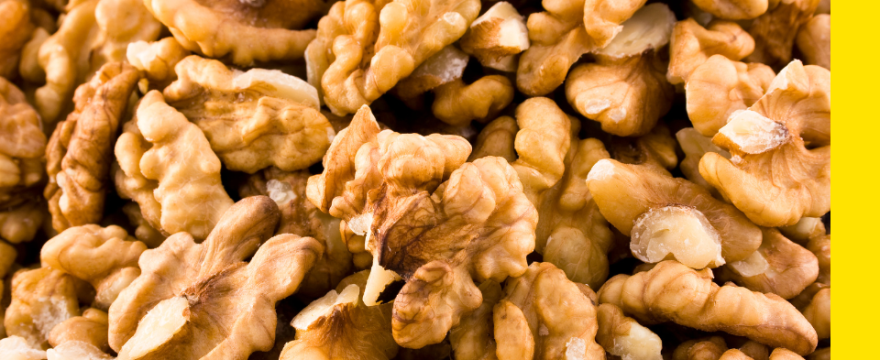
Walnuts can be an especially useful option because they contain alpha-linolenic acid (ALA), a plant-based omega-3 fatty acid.
Other options include pumpkin seeds and sunflower seeds.
Portion still matters because nuts and seeds are energy-dense.
But as a replacement for another snack not simply an addition they can be an easy way to change the quality of fat in your overall diet.
4. Add Avocado Where You’d Normally Use a Saturated-Fat-Rich Topping
Think about sandwiches, wraps, toast, grain bowls, or salads.
Could avocado replace cheese, butter, or another saturated-fat-heavy ingredient sometimes?
This is what I mean when I say healthy eating doesn’t have to become complicated.
You’re not calculating seventeen nutrients before lunch.
You’re making one simple swap.
5. Eat More Whole Plants Alongside Healthy Fats
Don’t become so focused on fat that you forget the rest of the plate.
Vegetables, fruits, beans, whole grains, nuts, and seeds provide fiber and an enormous variety of plant compounds.
Fiber is particularly interesting because your gut microbes ferment certain fibers and produce metabolites known as short-chain fatty acids.
The gut-brain relationship is an active area of research, including investigation into how microbial metabolites influence inflammation and brain function.
So when you think about brain health, don’t just think about adding olive oil.
Think about the entire dietary pattern surrounding it.
What About Keto and Other High-Fat Diets?
This is where conversations about dietary fat can become confusing for some people.
Someone may hear that the brain contains a significant amount of fat or that certain fats are beneficial and conclude that more fat must automatically be better for the brain.
That isn’t what this study suggests.
The source and type of fat matter.
A diet heavily reliant on butter, cheese, processed meats, and other saturated-fat-rich foods is nutritionally very different from a diet containing olive oil, avocado, walnuts, seeds, beans, vegetables, and other whole plant foods.
Both diets might technically be described as containing plenty of fat.
But metabolically, they are not the same thing.
That’s why simply tracking total grams of fat can miss the bigger picture.
Don’t Turn These Results Into Another Restrictive Food Rule
When people become concerned about dementia, heart disease, weight, or another health issue, there can be a temptation to immediately create rigid rules.
No dessert.
No mistakes.
For many people, that approach isn’t sustainable.
A much more practical starting point is to ask:
“What is one food I eat regularly that I could upgrade?”
Maybe you cook with butter every morning.
Try olive oil more often.
Maybe lunch usually contains processed meat.
Try a chickpea or bean-based option a couple of times this week.
Maybe your afternoon snack comes from a packet.
Try walnuts and fruit.
You don’t need twenty changes.
You need one change you can repeat.
Then another.
And another.
That’s how dietary patterns change.
Brain Health Is About More Than One Nutrient
It’s important to keep this research in perspective.
Dementia is complex.
No study can tell us that changing one food will guarantee that we never experience cognitive decline.
Genetics, cardiovascular health, metabolic health, lifestyle, and many other factors can contribute to dementia risk.
And because this particular research was observational, it demonstrates associations not absolute proof of cause and effect.
Still, observational evidence can help identify patterns worth paying attention to, particularly when those findings make biological sense and fit into a larger body of evidence around vascular and metabolic health.
The message isn’t:
“Eat olive oil and you won’t get dementia.”
It’s:
The quality and source of dietary fat is one modifiable piece of your long-term brain-health picture.
What Should You Eat for Brain Health After 40?
If you want a simple framework rather than another complicated diet plan, begin here:
Make whole plant foods the foundation of more meals.
Choose extra-virgin olive oil more often than butter or lard.
Include nuts and seeds regularly.
Use avocado as another source of monounsaturated fat.
Eat beans, lentils, chickpeas, and other plant proteins frequently.
Reduce how often processed meats and other foods particularly high in saturated animal fat dominate your plate.
And remember that replacement is often more useful than restriction.
Every meal doesn’t have to be perfect to move your overall dietary pattern in a healthier direction.
Your Next Meal Is an Opportunity
If you’re in your 40s, 50s, 60s, or beyond and you’re thinking more seriously about your memory, focus, and long-term independence, you haven’t missed your opportunity to care for your brain.
And you don’t need to become obsessed with food to do it.
Start with your next grocery shop.
Your next breakfast.
Your next snack.
Look at the fats you consume most frequently and ask:
Could I replace one saturated animal-fat source with a plant-based source of unsaturated fat?
That’s it.
Maybe butter becomes extra-virgin olive oil.
Maybe processed meat becomes lentils.
Maybe a packaged snack becomes walnuts.
Small swaps may not feel dramatic.
But health isn’t built from one dramatic meal.
It’s built from the choices that become ordinary.
And that’s what makes this research so encouraging.
You don’t necessarily need to fear fat.
You need to become more intentional about which fats earn a regular place on your plate.
Because when it comes to protecting your brain for the years ahead, the source of your dietary fat matters far more than you think.
Ready to Put What You’re Learning Into Practice?
Knowing what supports your brain health is one thing. Making those changes work in your real life is another.
That’s why I created Brain Health Reset: 9 Weeks to Better Energy, Focus & Sleep for women in helping professions who spend so much time supporting everyone else that their own health gets pushed aside.
Enrollment is coming soon. Join the Early Interest List to be the first to know when registration opens.
Leave a Reply