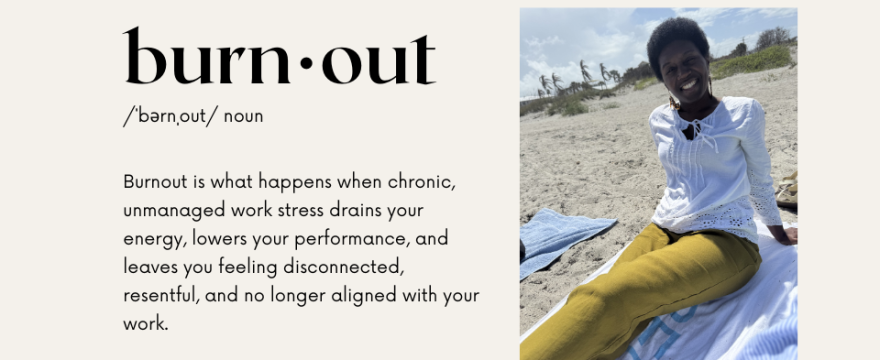
If you are feeling drained, overwhelmed, and starting to feel resentful towards your career, you might think you are simply experiencing standard stress. But when you reach the point of deep emotional exhaustion, reduced personal efficacy, and cynicism, you aren’t just stressed, you are experiencing burnout, an occupational phenomenon resulting from chronic, unmanaged workplace stress.
Burnout isn’t a personal failure; it is your nervous system desperately signaling that something is fundamentally off. The biological interactions between your emotions and physiological responses, a field known as psychoneuroimmunology, mean that chronic stress actually alters your neurotransmitters, hormones, and immune system. You literally experience a brain and body shutdown.
To stop this cycle, we first need to identify the root causes. Here are the 10 hidden triggers stealing your focus, energy, and income, divided into workplace drivers and personal habits.
The 10 Hidden Triggers of Brain Shutdown
At Work:
- Unmanageable Workloads: Relentless demands and unrealistic capacities are the leading drivers of workplace stress. When you are constantly playing catch-up, your focus is entirely depleted.
- Perceived Lack of Control: Feeling micromanaged, unable to influence decisions, or lacking the resources to properly do your job creates immense dissatisfaction and exhaustion.
- Lack of Reward or Recognition: Working tirelessly without fair compensation, acknowledgment, or opportunities for advancement directly drains your motivation and steals your earning potential.
- Values Mismatch: Spending your days executing tasks that fundamentally conflict with your personal ethics, meaning, or purpose accelerates the burnout process.
- Poor Workplace Relationships: A lack of psychological safety, social support, or fairness among colleagues leaves you feeling isolated and highly vulnerable to stress.
At Home & Within Yourself:
- The Perfectionism Trap: Holding yourself to unhealthy, impossible high standards leads directly to chronic emotional exhaustion and self-denial.
- People-Pleasing & Guilt: Being “the rock” who takes care of everyone else while conforming, playing small, and feeling guilty for prioritizing your own needs.
- Workaholism & Poor Boundaries: An inability to disconnect from your professional life limits your restorative downtime and ruins your work-life balance.
- Ineffective Coping Mechanisms: Turning to escapism, like overeating, excessive drinking, or binge-watching television, instead of properly processing your stress only deepens the crisis.
- Neglecting Lifestyle Fundamentals: Ignoring restorative sleep, which impairs cognitive processing, memory, and mood, or relying on heavily processed foods rather than nutrient-dense fuel.
How to Reverse It Fast
If you recognize yourself in these triggers, it’s time to take charge of your life again. Here are rapid, evidence-based strategies to pull yourself out of brain shutdown:
- Regulate Your Nervous System in Minutes
You can physically alter your body’s stress response quickly. A single five-minute session of deep, slow breathing notably calms the nervous system, increases heart rate variability, and lowers anxiety. Additionally, engaging in genuine laughter can drop cortisol (the stress hormone) by more than 30% in just one session while boosting your immune function.
I bake this into my day with Qi Gong in the morning and a comedy show in the afternoon during my siesta.
- Implement the 6 Pillars of Lifestyle Medicine
Reversing chronic burnout requires changing how you fuel and rest your body. Focus on the six therapeutic pillars: eating a whole-food, plant-predominant diet, moving daily, securing 7 to 9 hours of restorative sleep, managing stress, fostering positive social connections, and avoiding risky substances like tobacco and alcohol. Together, these pillars enhance cognitive function, boost mood, and expand your stress capacity.
- Re-contract Your Workload & Priorities
Burnout cannot be solved with a wellness app if your workload is fundamentally broken. Have a structured negotiation conversation with your manager or stakeholders. Focus on observable facts and ask questions like, “What are the top two most important outcomes for the next week?” and “What can we stop, delay, or delegate?”. True burnout prevention requires shaping your workload to a realistic capacity.
When you are deep in burnout, deciding between a therapist and a coach is crucial. While traditional therapy is excellent for processing past trauma and emotional overwhelming, coaching focuses on what’s next, building forward momentum, establishing boundaries, and taking empowered action.
Health and wellness coaching directly builds your self-efficacy (your belief in your ability to succeed) and resilience. Furthermore, studies have shown that coaching interventions, even in small group formats, can reduce severe burnout rates by nearly 30%. A coach acts as a partner to help you navigate career decisions, shift negative behavior patterns, and reclaim your income and energy without the guilt.
Burnout is not the end of the road. By identifying your hidden triggers and taking proactive, structural steps to manage your nervous system and workload, you can transition from exhaustion back to peak focus and energy.
Leave a Reply