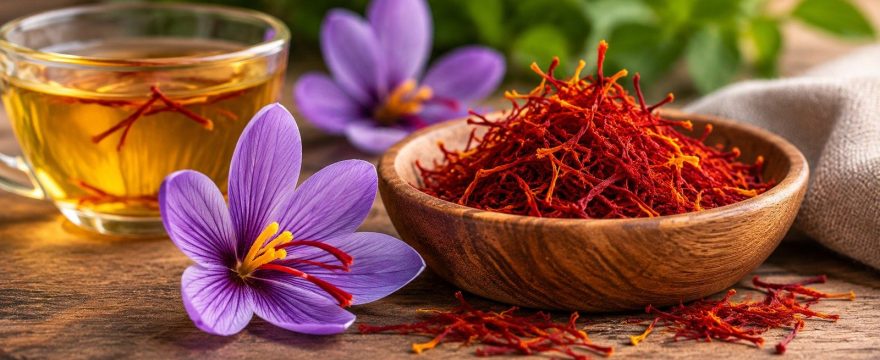
For many women in their 40s and 50s, mornings bring a subtle but unsettling shift. You walk into a room and forget why you’re there. You lose your train of thought mid-sentence during a work call. Or you find yourself battling uncharacteristic brain fog, persistent worry, and mood swings that leave you feeling off-balance.
While these subtle shifts are often brushed off as “just getting older,” neuroscience tells a much more specific story. Women over 40 go through profound neurohormonal changes that directly impact the brain’s memory centers.
Among the evidence-backed natural tools to help buffer this transition, one vibrant spice stands out in clinical brain research: saffron.
Far more than a luxurious culinary ingredient, saffron (Crocus sativus) is emerging as a powerful, targeted spice for protecting memory, uplifting mood, and supporting long-term brain health in women. Here is what the science says about why this spice belongs in your morning routine.
To understand why saffron is so beneficial for women over 40, we first need to look at what is happening inside the brain during perimenopause and menopause. As women move through this hormonal transition, levels of primary reproductive estrogens like estradiol fluctuate and drop before stabilizing at lower baseline levels. This shift profoundly affects the hippocampus, the brain’s central hub for memory, learning, and emotional regulation, which is densely packed with estrogen receptors. When estrogen declines, blood flow and cellular signaling in this area shift, frequently resulting in perimenopausal brain fog, slower memory recall, decreased focus, and a heightened vulnerability to stress, anxiety, and low mood. Because female brain anatomy is particularly sensitive to these biological changes, women over 40 benefit greatly from targeted nutritional strategies that support neurotransmitters, protect blood vessels, and calm neuroinflammation.
How Saffron Protects the Aging Brain
In integrative psychiatry and cognitive neuroscience, saffron is recognized for its unique, multi-targeted impact on brain function. When midlife hormonal shifts destabilize key neurotransmitters like serotonin and dopamine, saffron acts as a gentle, natural mood enhancer. Clinical trials show it helps soothe anxiety, lift low mood, and restore emotional equilibrium, giving you back your steady center without the unwanted side effects of conventional medications.
Beyond emotional balance, saffron directly sharpens your mental clarity. Packed with active bioactive compounds like crocin and safranal, it enhances synaptic plasticity and supports cognitive flexibility. That means fewer frustrating moments spent standing in the kitchen wondering where you put your keys or losing your train of thought mid-sentence, replaced instead by faster recall, sharper focus, and effortless mental agility.
Even more promising is what saffron does beneath the surface for long-term neuroprotection. Research highlights its ability to work synergistically with other powerhouse spices, such as turmeric (curcumin), sage, and cinnamon, to inhibit the accumulation of sticky beta-amyloid plaques and reduce tau protein aggregation. By targeting these two primary hallmarks of Alzheimer’s disease and age-related cognitive decline, saffron offers deep cellular defense, keeping your brain vibrant, resilient, and clear for years to come.
When considering saffron for cognitive and emotional health, understanding clinical evidence and proper dosing is essential. Clinical research protocols highlight that a daily standardized extract dosage of 30 mg (or approximately 176.5 mg per day of standardized preparations like Satiereal) serves as the effective therapeutic range for supporting mood, memory, and overall emotional well-being. Alternatively, for those who prefer culinary saffron, steeping 10 to 15 pure saffron threads in hot water, tea, or warm plant milk each morning effectively extracts its water-soluble antioxidants, crocin and picrocrocin.
You can also enjoy saffron in cold dishes! You aren’t restricted to hot teas or warm meals, but there is a quick trick to getting the most benefit and flavor out of it.
How Saffron Works in Cold Dishes
Saffron’s active brain-protective compounds, like crocin (which gives it that rich golden color) and safranal (for aroma and mood support), are held inside dry plant threads.
If you just toss dry, uncrushed saffron threads directly into a cold dish (like a cold salad or cold yogurt), the threads won’t release their nutrients, color, or flavor easily.
Simple Ways to Use Saffron in Cold Foods:
- The Quick “Bloom” Shortcut (Best Method):
- Steep or “bloom” a pinch of crushed saffron threads in 1–2 tablespoons of warm liquid (water, lemon juice, or warm milk) for 5–10 minutes.
- Once the liquid turns deep gold/orange, pour that concentrated saffron liquid directly into your cold smoothie, chilled overnight oats, chia pudding, or salad dressing!
- The Ice Extraction Method:
- In Persian cuisine, saffron is often bloomed by placing crushed saffron threads over an ice cube and letting it melt at room temperature. This cold-extraction method yields a vibrant, highly aromatic liquid that blends into cold dishes.
- Grind to a Powder:
- Grind dry saffron threads with a mortar and pestle (or rub them between your fingers) into a fine powder. Whisk the powder into cold liquids, dressings, or yogurt bases.
Recipe Ideas:
- Chilled Golden Oats/Chia Pudding: Stir your bloomed saffron liquid into oats, chia seeds, and plant milk, then let it set in the fridge overnight.
- Brain-Boosting Vinaigrette: Whisk bloomed saffron with extra virgin olive oil, lemon juice, and Dijon mustard for a salad dressing rich in antioxidants and healthy fats.
- Golden Iced Milk / Smoothie: Blend a bloomed saffron infusion into a cold morning smoothie with frozen mango or banana and a spoonful of almond butter.
How to Create a Morning Saffron Brain Ritual
Incorporating saffron into your morning routine is simple, luxurious, and low-friction:
- Golden Saffron Morning Tea: Steep a small pinch of saffron threads (or a standardized 30 mg extract) in warm water with a slice of fresh ginger and a drizzle of date syrup.
- Spice Synergy: Pair saffron with other anti-inflammatory, brain-boosting spices. Sprinkle cinnamon and crushed walnuts onto morning oatmeal, or combine saffron with turmeric and black pepper for a golden latte.
- Pair with Healthy Plant Fats: Active carotenoids in saffron are fat-soluble. Consuming your morning saffron alongside healthy fats, such as chia seeds, flaxseeds, or half an avocado, maximizes nutrient absorption.
A Multi-Pillar Approach to Brain Vitality
While morning saffron provides powerful neuroprotective support, it works best as part of a comprehensive, multi-pillar lifestyle designed for long-term brain vitality. Practicing a 12-to-16-hour overnight fast (such as finishing dinner by 7 p.m. and breaking your fast at 9 a.m.) helps stimulate the brain’s glymphatic waste-clearance system to clear out cellular debris. Incorporating daily aerobic exercise or brisk walking further boosts cerebral blood flow and helps maintain hippocampal volume, while short daily stress-reduction practices, like 12 minutes of Kirtan Kriya meditation or targeted deep breathing, keep cortisol levels in check to safeguard your brain structure.
Brain fog and memory lapses after 40 are not an inevitable sentence, they are a sign that your brain requires targeted, proactive care during a major biological transition. By incorporating 30 mg of golden saffron into your morning ritual, you feed your brain potent antioxidants that uplift mood, sharpen recall, and build long-term cognitive resilience for decades to come.
Want more brain-boosting recipe ideas? Join my 21-Day New Year Meal Prep Challenge and discover simple, delicious ways to nourish your brain with more plant foods!
Leave a Reply