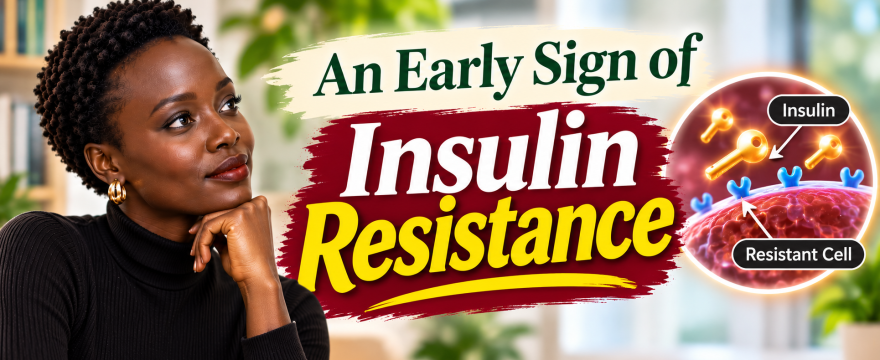
If you feel tired or sleepy right after drinking a smoothie, it is usually because the quick rush of sugar causes a sudden spike in your blood sugar. In response, your body releases extra insulin to process that sugar, leading to a rapid drop in blood sugar known as a crash. Experiencing this kind of post-meal fatigue on a regular basis can also be an early sign of insulin resistance.
To enjoy your smoothies without triggering post-meal sleepiness or blood sugar crashes, start by anchoring them with fiber and intact seeds like freshly ground chia or flaxseeds, dark leafy greens, and antioxidant-rich berries to slow digestion and support glycemic control. Next, boost the smoothie with clean plant-based protein sources such as silken tofu, edamame, or protein powder to stimulate satiety hormones, while avoiding high-saturated-fat dairy that can disrupt insulin signaling. Adding blood-sugar-stabilizing spices like cinnamon can further enhance glucose uptake into cells. Finally, optimize your routine by sipping your smoothie slowly over 20 to 30 minutes and engaging in 10 to 15 minutes of light movement or walks afterward so your muscles can directly utilize glucose from your bloodstream.
Here is a 1-day blood-sugar-balancing sample meal plan designed to prevent post-meal sleepiness, optimize insulin sensitivity, and keep your energy steady throughout the day:
Breakfast: Savory Scramble & Sourdough Toast
- Main Meal: Savory chickpea scramble sautéed with garlic, baby spinach, and sliced avocado.
- Why it works: Starting your morning with a savory, protein- and fiber-rich meal prevents early glucose and insulin surges.
- Side: 1 slice of whole-grain sourdough bread, toasted from frozen, with a light spread of avocado.
- Why it works: Sourdough fermentation lowers its glycemic impact compared to standard bread, and toasting bread from frozen further reduces its blood sugar response.
- Beverage: 1 cup of brewed chamomile tea after eating.
- Why it works: Research indicates that drinking chamomile tea after meals supports overall blood sugar regulation and insulin sensitivity.
Morning Snack (Optional)
- Apple Slices with Almond Butter.
- Why it works: Pairing complex carbohydrates (apple) with healthy fats and protein (almond butter) buffers natural fruit sugars, ensuring a gradual release of glucose into your bloodstream.
Lunch: Chilled Quinoa & Lentil Power Bowl
- Main Meal: Cooked red lentils and quinoa served cold over a bed of mixed greens, cucumbers, cherry tomatoes, extra virgin olive oil, and lemon juice.
- Why it works: Consuming starches like quinoa and lentils after they have been cooked and chilled increases their resistant starch content, which resists rapid enzymatic breakdown and flattens your glucose curve.
- The “Second-Meal Effect”: The rich fiber in lentils and beans ferments in your gut to produce short-chain fatty acids, which improve your glucose tolerance not only for lunch, but for your evening dinner as well.
- Golden Rule of Meal Order: Eat your mixed greens first, followed by the protein and fats, and finish with the quinoa. Studies show that eating carbohydrates last significantly lowers postprandial blood sugar and insulin spikes.
Afternoon Snack (Optional)
- Unsweetened Plant Yogurt with Berries & Ground Chia Seeds.
- Why it works: Ground chia or flaxseeds provide soluble fiber that thickens digestive fluids, delaying carbohydrate absorption and keeping you full.
Dinner: Black Bean & Sweet Potato Skillet
- Main Meal: Black beans sautéed with diced sweet potatoes, onions, garlic, cumin, and bell peppers, served over brown rice.
- Pre-Meal Trick: Sip 1 tablespoon of apple cider vinegar diluted in a glass of water right before eating. The acetic acid temporarily slows carbohydrate-digesting enzymes, curbing post-dinner glucose spikes.
Post-Dinner Movement
- 10–15 Minute Walk or “Soleus Pushups”: Take a light walk after dinner or practice gentle seated heel lifts.
- Why it works: Light muscle activation immediately after eating allows your muscle cells to pull glucose directly out of your bloodstream without requiring extra insulin.
1-Day Blood-Sugar-Balancing Raw Vegan Sample Meal Plan
Adopting a low-fat, whole-food plant-based diet helps clear microscopic fat particles (intracellular lipids) from muscle and liver cells, addressing the root cause of insulin resistance and allowing cells to regain insulin sensitivity. Raw whole plant foods, such as dark leafy greens, fresh fruits, vegetables, nuts, and seeds, are naturally low in fat, devoid of added oils, and packed with intact fiber cell walls that carry nutrients to the lower intestine to stimulate natural GLP-1 release and sustain satiety.
Here is a balanced 1-day raw vegan meal framework designed to flatten glucose curves, prevent post-meal sleepiness, and optimize metabolic health:
Breakfast: Raw Green Satiety Bowl & Herbal Tea
- Main Meal: A thick smoothie or fruit bowl made with dark leafy greens (such as 2 cups of raw spinach, kale, or arugula) blended or layered with fresh raw fruit (such as sliced papaya, berries, or banana). Top with 1 tablespoon of freshly ground chia or flaxseeds.
- Why it works: Chlorophyll-rich thylakoid membranes in raw dark leafy greens delay fat absorption, boost natural GLP-1 levels, and reduce cravings. Fresh whole fruits contain protective fiber, water, and antioxidants that prevent rapid glucose spikes, while ground chia or flaxseeds provide soluble fiber that thickens fluids in the digestive tract to slow down carbohydrate absorption.
- Beverage: 1 to 2 cups of unsweetened chamomile tea after eating.
- Why it works: Drinking chamomile tea after meals has been shown to support glycemic control and improve overall insulin sensitivity.
Morning Snack (Optional)
- Raw Apple or Pear Slices with Raw Almond Butter.
-
- Why it works: Pairing complex carbohydrates from whole fruits with clean plant protein and fiber from raw almond butter buffers glucose release and stabilizes energy.
Lunch: Raw Rainbow Power Salad & Zucchini Noodles
- First Course (Veggies First): A large bowl of mixed leafy greens (romaine, arugula, spinach), shredded red cabbage, cucumbers, bell peppers, and cherry tomatoes.
- Protein & Healthy Fats: Top with sprouted raw seeds or raw pumpkin/sunflower seeds and 1/4 to 1/2 of a raw avocado.
- Raw spiralized zucchini noodles (“zoodles”) tossed in a dressing of raw apple cider vinegar, lemon juice, minced garlic, and fresh herbs (without added oils).
Afternoon Snack (Optional)
- Raw Vegetable Sticks (Carrots, Celery, Cucumbers) with Fresh Guacamole.
- Why it works: Non-starchy vegetables combined with modest whole-food plant fats keep calorie density low while providing long-lasting fullness without spiking blood sugar.
Dinner: Raw Walnut & Sunflower Seed “Taco” Lettuce Wraps
- Main Meal: Crisp romaine or collard green leaves filled with a raw “taco meat” made from finely processed raw walnuts, raw sunflower seeds, minced cauliflower, diced tomatoes, and cumin. Season with blood-sugar-balancing spices like cayenne pepper and cinnamon.
- Add 1 tablespoon of raw apple cider vinegar as a drizzle over the meal. The acetic acid in vinegar temporarily deactivates carbohydrate-digesting enzymes and improves glucose uptake into muscle tissue, curbing post-meal blood sugar spikes.
Post-Meal Habits for Maximum Sensitivity
- Chew Thoroughly & Eat Slower: Spend 20 to 30 minutes eating your meal and chew each bite thoroughly. Chewing intact plant cell walls allows gut bacteria in the colon to ferment indigestible fiber into short-chain fatty acids (SCFAs), triggering sustained GLP-1 release.
- Light Post-Meal Movement: Take a 10 to 15-minute walk or practice gentle seated heel lifts (soleus pushups) immediately after eating. Activating skeletal muscles encourages cells to absorb glucose directly from the bloodstream without requiring as much insulin.
If you’d like more simple raw vegan recipes and help making healthy eating part of your routine, join my 21-Day New Year Meal Prep Challenge! Let’s start the new year with fresh, delicious meals you’ll look forward to eating.
Leave a Reply